Cart
0
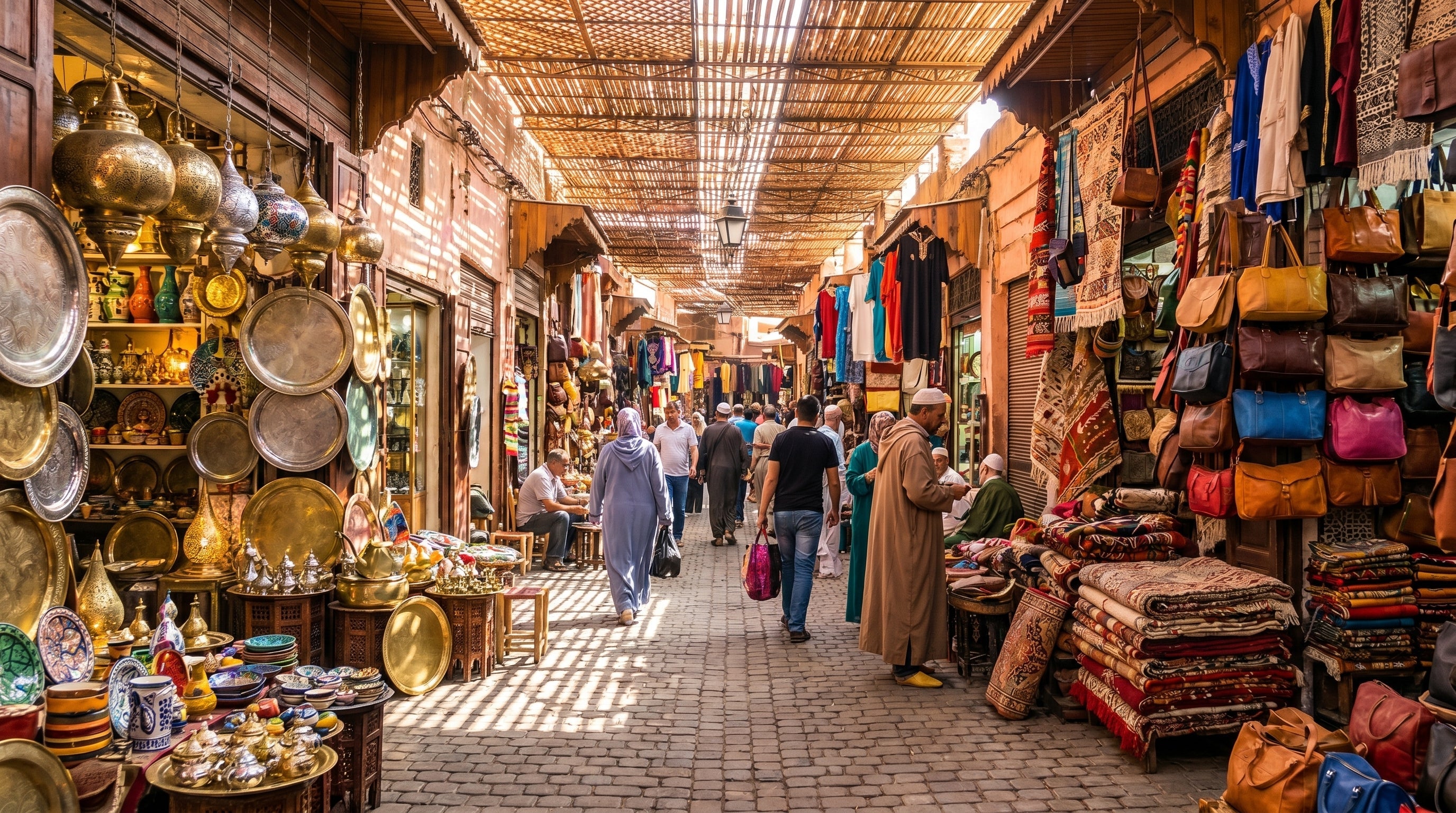
There is a moment, just before the room wakes, when light finds the weave. It skims over wool, collects in the valleys of a flatweave, and softens along the fringe. This is where handmade Moroccan pillow covers do their quiet work—settling a space with texture, balance, and a sense of the hand.
Why handmade Moroccan pillow covers matter
In Morocco, textiles are a lived archive. Each pillow cover tells a story of region, rhythm, and hand: Beni Ourain’s soft, highland wools; the crisp diagonals of Zanafi flatweaves; the luminous satin of Sabra “cactus silk.” Choosing handmade Moroccan pillow covers is not merely a styling decision—it is a commitment to human time, natural materials, and small-scale craft economies.
For minimalist interiors, these covers offer quiet complexity: subtle pattern, restrained color, and tactile depth that replaces clutter with character. For boho spaces, they lend authenticity—pattern with provenance rather than trend.
The Quiet Geometry of Craft
Moroccan weaving is measured more by beat and breath than ruler. Patterns emerge from repetition and feel: diamonds that hold protective symbolism, stepped chevrons, bars of negative space that read like pause marks.
- Beni Ourain pile: Lofty, hand-knotted wool with organic diamonds; reads soft and sculptural.
- Zanafi flatweave: Tight, reversible geometry with pronounced texture; strong linework, minimal palette.
- Kilim fragments: Flatwoven bands and motifs adapted from vintage rugs; varied, rhythmic stripes.
- Sabra “cactus silk”: Lustrous sheen with embroidered symbols; elegant in low, lateral light.
In a pared-back room, geometry is your silent motif. One strong grid or diamond pattern can anchor a sofa more surely than a dozen accents.
Palette: From Undyed Wool to Saffron
Start with the fibers. Undyed, hand-carded wool holds a mineral softness—ivory with flecks, never stark. Vegetable-dyed tones—saffron, henna, indigo—arrive with nuance, their saturation a function of time and touch. Consider a palette that moves like breath:
- Base: undyed wool, bone, soft ecru.
- Low notes: warm umber, sand, smoked olive.
- Accents: saffron, pomegranate, night indigo—used sparingly.
For minimalist rooms, let warm neutrals dominate and introduce one artisanal accent to keep the eye alert. In boho interiors, layer near-neutrals with a single vivid hue so the room feels composed, not crowded.
Scale, Layering, and Negative Space
Proportion is your most refined tool. The right scale lets pattern breathe and materials speak.
- Start with an anchor: A 24-inch square or a generous 14×36-inch lumbar in a flatweave or plush pile sets a considered foundation.
- Layer thoughtfully: Add one medium pillow (20–22 inches) in a related weave; finish with a slim lumbar or petite square for cadence.
- Honor negative space: Leave shoulder room at sofa arms; allow the seat to show. Restraint reads as luxury.
- Insert matters: Feather-down or premium alternative inserts at 2 inches larger than the cover maintain architecture without stiffness.
Material Dialogues: Pairings that Breathe
Textiles converse with the pieces around them. To keep that dialogue fluent, balance tactile intensities:
- With vintage rugs: Let a single motif echo. If your floor holds a Berber diamond, pick a pillow with a softened, related geometry. Explore our vintage Moroccan rugs collection for considered anchors.
- With ceramics: Matte, hand-thrown vases temper sheen and add vertical quiet. A slim-necked vessel beside a lumbar cover creates elegant tension. Discover our ceramic vases to complete the material story.
- With furniture: Low-profile, modern side tables hold visual space without noise. Wood grain and brass details keep the palette warm. Browse modern side tables that sit easily beside textural textiles.
Care Rituals that Preserve the Hand
Handmade textiles appreciate slow care. It keeps the weave honest and the color true.
- Routine: Shake outdoors; lint-roll gently. Vacuum inserts separately.
- Spot clean: Use cool water and a pH-neutral soap. Blot, never rub. Support the fabric from beneath.
- Drying: Lay flat on a towel away from direct sun. Reshape edges while damp.
- For Sabra/cactus silk: Keep dry when possible. If necessary, test an inconspicuous area; colors can migrate when wet.
- Rotation: Swap positions monthly to even wear and light exposure.
Sourcing with Integrity: What to Ask
When choosing handmade Moroccan pillow covers, ask questions that honor the maker and material:
- Which region or workshop wove the textile?
- Fiber content: undyed wool, cotton, Sabra, or blends?
- Dye method and safety: vegetable dyes, azo-free, or OEKO-TEX–compliant?
- Is the cover cut from vintage textiles? If so, what era and any repaired sections?
- Closure details: hand-stitched envelope vs. zipper, and lining quality for longevity.
Transparent sourcing yields pieces that age beautifully and read as considered rather than decorative. Explore our Moroccan pillow covers curated with these standards in mind.
Room-by-Room Studies
Living Room: The Soft Grid
Begin with a calm base—a sofa in oatmeal linen or wool blend. Add one 24-inch Beni Ourain-inspired square for sculptural loft. Pair with a 20-inch Zanafi flatweave in ecru and charcoal for line, then a slender lumbar in Sabra pomegranate as the single accent. The room gains rhythm without commotion.
Bedroom: The Measured Cascade
On a low-profile bed, two large squares in undyed wool become a headboard of softness. Add a 36-inch lumbar with faint diamond embroidery to create a gentle horizon. Keep bedside objects matte: a ceramic vase with a narrow mouth and a small book stack to echo restraint.
Reading Nook: One Gesture
For a lounge chair, choose a single handwoven lumbar—kilim or Zanafi. Let its geometry break the expanse of upholstery. A small, slim modern side table and a round, tactile vase complete the triad: line, plane, and form.
Styling Recipes
- The Neutral Ledger: 24-inch undyed wool square + 20-inch sand flatweave + 12×20 bone lumbar. Materials vary, palette stays quiet.
- Graphic + Whisper: 22-inch Zanafi with charcoal linework + 14×36 ivory lumbar in soft pile. Pattern speaks once; texture answers softly.
- Vintage Fragment: 20-inch kilim fragment with subtle stripes + 20-inch ecru plain weave. A memory and a pause.
- Monochrome Relief: Three ecru tones, each a different weave. Depth through tactility rather than color.
Common Missteps to Avoid
- Over-layering patterns: Competing motifs cancel each other. One graphic lead is enough.
- Too-small inserts: Covers collapse without structure. Size up inserts for tailored edges.
- Ignoring negative space: Leave margins at sofa arms and seat center; absence clarifies presence.
- Harsh detergents: They strip fibers and mute dye. Stay pH-neutral and gentle.
- Color drift: Test for dye fastness, especially with Sabra. Keep light fabrics protected during early use.
FAQ
What defines a truly handmade Moroccan pillow cover?
Hand-spun or hand-selected fibers are woven on traditional looms by artisan weavers, often in small cooperatives. Irregularities in stitch, subtle variation in dye, and hand-finished seams are signs of the maker’s touch—not flaws.
Are Sabra (cactus silk) pillows practical for everyday seating?
Sabra’s lustrous surface is best treated as decorative back support rather than the primary, high-friction cushion. Use it where it can be seen and lightly leaned against, and rotate periodically.
How many pillows suit a minimalist sofa?
For a three-seat sofa, begin with two to three pillows maximum: one anchor and one to two supporting pieces. Prioritize scale, texture contrast, and open space over quantity.
How can I verify dye safety and stability?
Request details on vegetable or azo-free dyes and ask for care guidance. At home, damp-cotton test the inside seam; if color transfers, pre-set by air drying out of direct sun and avoid moisture until stabilized.
Can handmade Moroccan pillow covers live comfortably in a contemporary, non-boho space?
Absolutely. Focus on undyed or near-neutral palettes and restrained geometry. One handwoven piece on a clean-lined sofa reads modern, not eclectic.
Closing Notes
In a well-edited room, the smallest gestures carry weight. With handmade Moroccan pillow covers, that gesture is the weave itself—time recorded in fiber and form. Choose with patience, style with space, and let the hand remain visible.
Image ALT text suggestions
- Handmade Moroccan pillow covers on a neutral linen sofa
- Undyed wool handmade Moroccan pillow covers with diamond weave
- Zanafi flatweave lumbar and handmade Moroccan pillow covers
- Sabra cactus silk handmade Moroccan pillow covers in pomegranate
- Minimalist living room with handmade Moroccan pillow covers and vintage rug